Cantaloupe: Storing, Health Benefits & Fun Facts for Busy Kitchens
Want a fruit that feels indulgent, fits health-forward trends, and still works for your food costs? Cantaloupe checks every box for NYC, NJ, and Long Island restaurants, bars, coffee shops, schools, and commercial kitchens.
This sweet melon gives you color, hydration, and nutrition in one easy ingredient, whether you’re building fruit salads, breakfast bowls, or grab-and-go cups for busy guests.
What Makes Cantaloupe So Valuable for Your Menu?
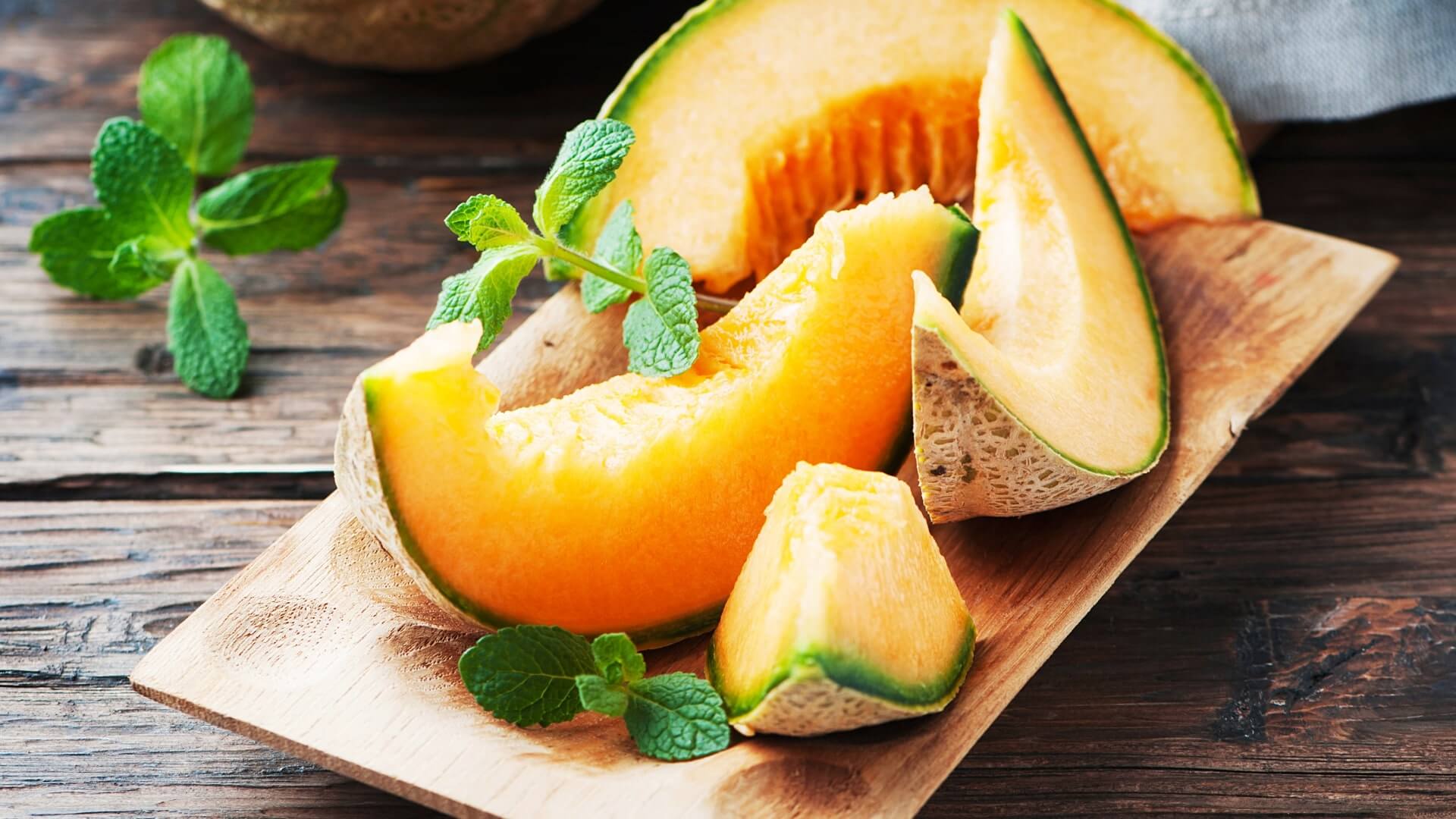
Cantaloupe isn’t just filler fruit; it’s a hard-working ingredient that earns its spot on your line. This melon has fragrant orange flesh, a textured netted rind, and a naturally sweet flavor that makes almost any bowl look more appealing.
Compared with paler green flesh melons in the inodorus group, cantaloupe delivers deeper color, richer flavor, and higher perceived value on the plate, especially when you slice it cleanly or portion it into neat cubes or balls.
When you position cantaloupe as a healthy, refreshing upgrade rather than an afterthought, you create another simple way for guests to say “yes” to your menu and keep coming back for that same refreshing bite.
Order Fresh Fruits From Riviera Produce
Cantaloupe Nutrition at a Glance
From a nutrition standpoint, cantaloupe is a small but mighty fruit. One cup of cantaloupe cubes is low in calories and virtually free of fat and sodium, yet it’s rich in hydration, fiber, and flavor.
You get meaningful nutrients in every portion: vitamin C, vitamin A from beta carotene, potassium, and a modest amount of dietary fiber, with some protein, carbohydrates, and important minerals like calcium.
That means you can honestly promote cantaloupe as a healthy choice for guests focused on better nutrition and smarter everyday consumption without sacrificing taste.
Health Benefits Your Guests Care About
Guests love hearing about real health benefits in plain language, not complicated science. You can describe cantaloupe as a “cantaloupe good” option for hydration, heart health, immunity, and eye health, as long as you avoid making medical promises and keep portions reasonable in the context of your full menu.
Heart Health, Hydration, and Fiber
Cantaloupe is naturally rich in potassium and low in sodium, which supports healthy blood pressure when enjoyed as part of a balanced eating pattern and may lower the risk of heart disease.
Its high water content helps the body stay hydrated, while the fiber in each cup supports digestion and steady energy, especially when you pair melon with yogurt, nuts, or protein at breakfast or on brunch boards.
You can confidently feature cantaloupe in heart-smart or light menu sections as a solution that balances satisfaction with smarter calorie and intake choices.
Immunity, Eye Health, and Inflammation
The bright orange flesh comes from beta carotene, which the body can turn into vitamin A to help protect vision and long-term eye health.
Cantaloupe is also high in vitamin C and other antioxidants such as lutein that support the immune system, help fight oxidative stress, and may help reduce inflammation in the body over time.
Without claiming to treat cancer or disease, you can still position cantaloupe as a simple way to support everyday immunity and fight inflammation, especially when you serve it alongside other colorful foods and seasonal produce.
How to Pick a Fully Ripe Cantaloupe
Picking a good melon is where you protect both quality and guest experience. A ripe cantaloupe should have a golden-beige rind with pronounced netting and feel slightly heavy for its size, signalling that the interior is juicy rather than dry or underripe.
When you press gently at the blossom end, a fully ripe fruit has a bit of give but isn’t soft or mushy, and you’ll notice a sweet, fruity aroma that tells you this melon is ready for eating. Avoid melons with sunken spots, cracks in the rind, or mold around the stem, since those can increase risk and shorten shelf life in your walk-in.
Storing Fresh Melon Safely in Commercial Kitchens
Storing fresh melon correctly really matters. Whole cantaloupes can sit at room temperature as they finish ripening, but once they’re ready, it’s smart to move them to a cooler area or refrigerate them to slow spoilage and maintain texture.
Before cutting, always rinse and gently scrub the exterior under running water to remove surface contaminants on the netted rind, following general FDA guidance for handling fresh produce.
After cutting away the seeds and rind, store cantaloupe slices, cubes, or balls in covered containers in the refrigerator, and keep cut fruit away from raw proteins to minimize cross-contamination and food safety risks.
Easy Menu Ideas: Simple Ways to Enjoy Cantaloupe
Cantaloupe is extremely adaptable, which is exactly what you need in a busy NYC or NJ kitchen. You can enjoy cantaloupe in everything from snack cups to composed plates without adding much labor, whether you run a high-end restaurant, a hotel buffet, a school cafeteria, or a neighborhood coffee shop.
Use chilled cubes in fruit salads with berries and grapes, finishing with lime juice and a pinch of sea salt for a bright, modern profile that feels more special than a basic mixed salad.
You can also build breakfast bowls with yogurt, granola, seeds, and cantaloupe, or add melon balls to sparkling water, teas, or low-sugar mocktails to create a refreshing, social-media-worthy drink.
Fun Facts: From Cantalupo to Your Guests’ Plates
Cantaloupe takes its name from Cantalupo, a town near Rome where melon seeds from Armenia were once grown on papal estates.
Sharing this kind of story on menus or table tents reminds guests that even a simple fruit has a long history in the food world, turning a basic side into something with heritage and character.
You can also talk about the garden side of cantaloupe, mentioning that melons thrive in warm climates and are part of global production of fresh fruit that connects farms, distributors, and kitchens worldwide.
Work with the Right Food Distributor for Seasonal Melon
Behind every smooth melon program is a strong partnership with a reliable food distributor who understands both quality and timing for seasonal produce.
If you’re working with a trusted food distributor in Manhattan, Brooklyn, Long Island, New Jersey, or the Philadelphia Wholesale Produce Market, ask your rep when cantaloupe is at its peak and which formats (whole or pre-cut) make the most sense for your volume.
It’s also a great moment to highlight your commitment to farm fresh, local produce and high-quality fresh fruits on your menu and marketing, since guests increasingly care about where their food comes from.
Turn Cantaloupe into a Sweet Advantage for Your Operation
For most operators, the biggest win is simple: cantaloupe offers a flavorful, colorful, nutrient-dense option that feels like dessert but behaves like a wellness-forward choice.
You control portions, keep an eye on guests who may need to limit their potassium intake, and still get to showcase a fruit that supports hydration, heart health, inflammation, and immunity in a way that guests actually enjoy eating.
If you’re ready to do more with cantaloupe, talk with your produce rep or regional food distributor about adding ripe melons, pre-cut options, or blended fruit salad mixes to your next order so you can test new items without overloading prep.
By treating cantaloupe as a strategic ingredient instead of a filler, you give your NYC, NJ, and Long Island kitchens one more versatile, profitable tool to keep guests coming back.
Order Now From Riviera Produce