
Restaurant Profit Strategies for 2026: 12 Ways NYC & NJ Kitchens Can Earn More
- Why Earnings Feel Harder in 2026 for Restaurants
- The 3 Most Effective Ways Restaurants Increase Profits
- How Restaurants Can Raise Prices Without Losing Guests
- Menu Engineering Strategies That Improve Restaurant Margins
- Your 2026 “Profit Reset” Checklist
- Profit Strategies for Multi-Cuisine Restaurants
- How Special-Occasion Dining Drives Higher Restaurant Profits
- NYC Dining Realities: What Wins in a High-Cost Market
- New Jersey Restaurant Profit Challenges and Opportunities
- How Bar Programs Increase Restaurant Profit Margins
- How Coffee Shops and All-Day Concepts Improve Profitability
- Restaurant Menu Categories That Hurt Profit Margins
- How Wholesale Produce Pricing Impacts Restaurant Margins
- Produce Examples that Reduce Waste and Speed Prep
- Digital Tools that Drive Profit in 2026
- Staff Training and Development
- Seasonal Promotions and Events: Timely Tactics for Extra Revenue
- Turning Clicks into Covers
- What This Means for 2026
Restaurants in NYC and NJ can’t rely on “more covers” alone in 2026. You improve earnings by streamlining the system behind each plate, every shift, and every order. This article outlines practical, chef-friendly steps to protect margins without compromising quality.
Why Earnings Feel Harder in 2026 for Restaurants
Food industry news highlights a harsh reality: menu prices surged after 2020, but many operators still face slim margins. The National Restaurant Association reports that the average menu prices increased by 31% between February 2020 and April 2025. This jump was necessary to maintain an average profit margin of about 5%.
City costs don’t wait for anyone to catch up. In New York, the minimum wage will increase again on January 1, 2026. This affects payroll planning across all roles and shifts. As labor costs increase, each additional prep step and remake becomes more expensive.
Chefs feel this pressure daily. When your mise breaks, your team compensates with overtime, rushed prep, and deal with inconsistent execution. This leads to lower guest satisfaction and higher waste – two issues that can hurt earnings.
The 3 Most Effective Ways Restaurants Increase Profits
Check growth is the cleanest lever because it doesn’t require more bodies in the building. You raise average spend by guiding choices, not by pushing people. The best approach is to create a few “default upgrades” that guests actually want.
Experience is what keeps diners returning when prices are up. You need predictable quality, fast recovery, and staff who can recommend confidently.
Offer strategy should align with your slow periods, not your pride. A smart offer boosts brand value while filling underutilized seats. If you discount, do so with clear limits, not out of desperation.
1) How Restaurants Can Raise Prices Without Losing Guests
Budget pressure is real. Both operators and guests are feeling it. That is why pricing needs to be reasonable.
Raise prices on popular items with steady demand, while protecting a few “anchor” items that set value perception. Keep adjustments small rather than sudden spikes.
What matters most is the story behind the price. Local restaurants win when they share what sets them apart, such as their sourcing or a unique dish customers can’t make at home. Building a connection with the community and guests boosts perceived value and loyalty. People are attracted to places where they feel a sense of belonging.
2) Menu Engineering Strategies That Improve Restaurant Margins
Fine dining can protect food cost margins without shrinking the experience. Focus on a shorter list of “hero” plates with controlled steps, garnishes, and specifications.
Taste is where menu engineering starts, not where it ends. When flavor is just right, you can reduce the need for expensive “fixes” such as extra cheese, extra sauce, or oversized proteins. Your best margin plates usually have the cleanest flavor logic.
Meals become more profitable when ingredients repeat across sections. If one prep supports three dishes, your labor becomes more efficient and your inventory risk drops.
3) Your 2026 “Profit Reset” Checklist
- Review your top 20 sellers weekly by volume
- Fix one execution issue at a time and document it
- Create plating photos and portion specs for top items
- Use reservations as a prep forecasting tool
- Reduce steps before cutting portions
- Limit one-off specials during peak service
- Set daily par levels and station ownership
Consistency stabilizes costs faster than any single menu change.
4) Profit Strategies for Multi-Cuisine Restaurants
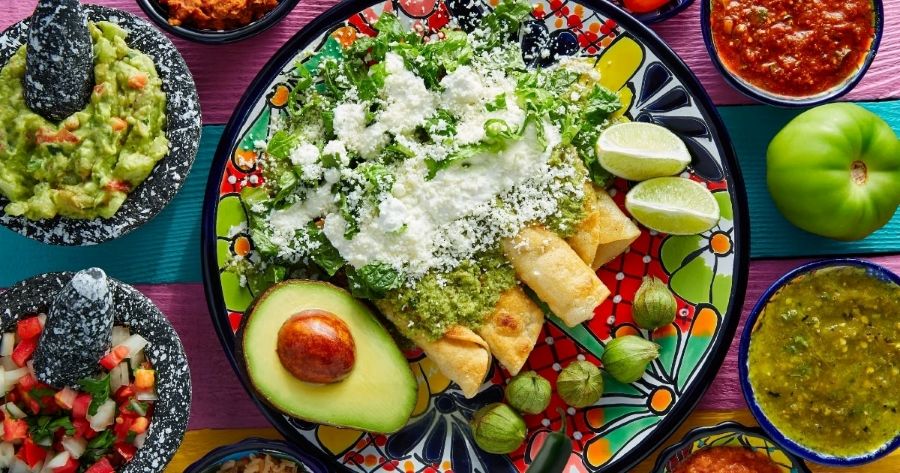
If you manage a Mexican restaurant, standardize your base ingredients. This way, menus can earn more revenue. Keep salsas, pickles, and core sauces consistent, then rotate seasonal produce for variety.
Indian menus can yield high profits when they include batch-friendly components. Focus on base gravies, controlled finishing oils, and consistent garnishes.
For Thai dishes, limit specialty-only ingredients. Keep a tight pantry and train for a balanced flavor profile. Let seasonal produce bring variety.
Asian menus stand out when you intentionally design cross-utilization. Use two to three core sauces and create multiple formats—bowls, small plates, handhelds—built from shared mise. That’s how you offer variety without adding labor. Offering lunch and dinner can help maximize kitchen efficiency and attract more customers by serving different meal periods.
5) How Special-Occasion Dining Drives Higher Restaurant Profits
Celebrated nights are high-margin opportunities if you plan for them. Create an LTO menu with controlled inventory and clear upsell paths. When the team knows what to recommend, check sizes increase naturally.
Friends’ gatherings often order shareable plates and rounds. Offer at least two shareable options engineered for speed and margins—train staff on one pairing recommendation.
Excellent special-occasion service isn’t about overdoing it; it’s about avoiding errors. Improve ticket timing, enhance expo communication, and keep the menu simple. Your venue’s charm can enhance the guest experience and make celebrations memorable. Guests are willing to pay more when everything runs smoothly.
6) NYC Dining Realities: What Wins in a High-Cost Market
The latest wave of talented chefs has transformed neighborhoods into food hotspots, causing traffic to surge. Without a “rush-safe” item built for easy preparation and consistent execution, quality can drop when it matters.
In central locations, delivery windows should reflect your business’s needs, not your ideal plan. Strict receiving standards and timely drops help prevent mid-service shortages. In NYC, logistics shapes your brand. Efficient, compliant food delivery is crucial to maintaining high quality and guest satisfaction.
Manhattan restaurant supply needs often center on precision. You need cases that fit your exact needs, so preparation yields stay consistent. When your supplier gets your purchasing needs, it cuts waste and minimizes reorders. This makes celebrations more memorable. Guests are willing to pay more when they have a good experience.
7) New Jersey Restaurant Profit Challenges and Opportunities
Town patterns in NJ can be more seasonal and event-driven. Menu planning should be designed around community events, calendars, and predictable surges.
Family dining drives volume, but profits come from control. Offer family-size portions and a kids’ menu with limited yet generous choices. Keep prep shared across multiple items. Families return for generous portions and reliable experiences.
In NJ, places compete on familiarity, consistency, and value. This doesn’t mean discounting. It means generous portions, excellent service, and consistency. When guests trust you, they stop searching for alternative restaurants to eat. Cities in New Jersey are now star destinations, featuring high-end dining chefs with NYC Michelin-star experience.
8) How Bar Programs Increase Restaurant Profit Margins
Modern restaurant establishments are built and marketed as “bar-driven,” with beverages positioned as the main draw. The average gross profit margin for a bar is 70-80%. Wine bars can lift profit with a short, curated list and confident pairing scripts. Guests spend more when they feel guided.
Wine programs perform best with controlled inventory and precise rotation. A beverage program with a low pour cost is the beating heart of any profitable restaurant. In short, keep a core list, add a few seasonal rotates, and track pours weekly. Dead bottles are silent losses.
Beer sells when the list is simple, and the story is clear. Feature one rotating local draft and tie it to a menu item. That pairing creates an easy upsell without slowing service.
9) How Coffee Shops and All-Day Concepts Improve Profitability
All-day cafes are changing how we eat out and increasing profits. Coffee earnings improve when recipes are standardized. Portion your syrups, set your milk specs, and document your build times.
Tea can be a high-margin differentiator when it’s presented intentionally. Offer a small, high-quality selection including specialty loose-leaf options and provide simple descriptors to help guests make quick choices.
Breakfast becomes more profitable when you reduce “custom chaos.” It’s highly profitable due to low-cost staples like eggs, grains, and potatoes. Morning diners also spend less time eating, which increases your table turnover. You’ll feel the difference in labor and ticket times. Offering brunch options, coffee, and brunch cocktails can attract a wider audience and boost sales during late morning and early afternoon hours.
10) Restaurant Menu Categories That Hurt Profit Margins
These categories tend to perform well on paper, but margins drop quickly without controlled execution. Minor inconsistencies in portioning, prep, and sourcing can add up quickly during a busy service.
Pizza margins rise when toppings are portioned and controlled. Keep the topping and specialty toppings list tight, and rotate one seasonal option built from market-friendly produce. You can also offer pizza by the slice, specialty desserts, and beverages to boost average order value.
Sandwiches lose money when builds change. Create a process for each sandwich. Standardize spreads, portion proteins, and select produce that holds texture for both dine-in and takeout. This approach maximizes profits and reduces waste. A consistent sandwich is faster and cheaper to execute.
Sushi requires meticulous attention to COGS. You need consistent sizing, consistent temperature control, and consistent receiving standards.
11) How Wholesale Produce Pricing Impacts Restaurant Margins
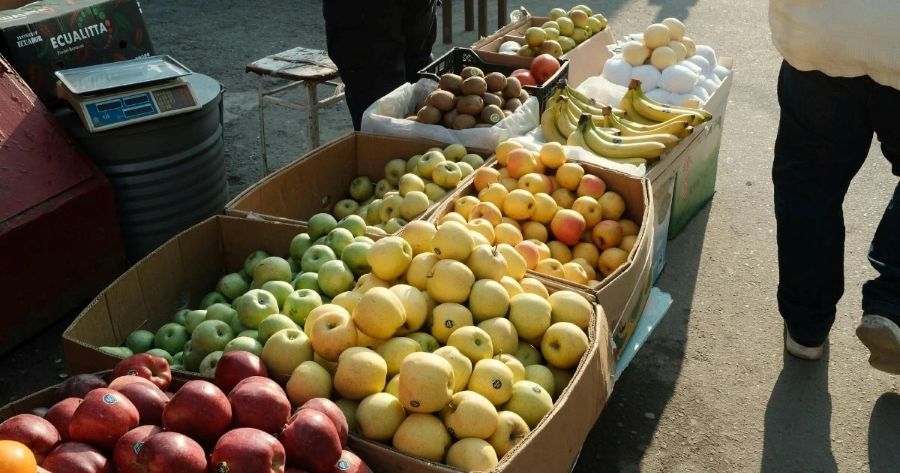
Food distributor performance matters most when you order by product specifications. Ask for size counts, ripeness windows, and pack sizes that match your prep. When cases arrive consistently, your labor becomes predictable and your waste drops.
Local produce can strengthen the customers’ perceived value, especially in NYC and NJ. The key is to feature what’s abundant and stable rather than forcing out-of-season items. Using fresh, local ingredients can capture your guests’ attention and set your menu apart from competitors. Seasonal planning in restaurants is a proven strategy that protects your menu and your margins.
Seasonal produce also helps multi-cuisine teams rotate flavors without increasing inventory. You can use a citrus garnish, a crunchy slaw, or roasted veggies in various dishes. This flexibility enables you to keep your menu fresh without increasing costs.
12) Produce Examples that Reduce Waste and Speed Prep
Green bean specs reduce trim waste and improve consistency. When sizes are consistent, blanch times are consistent, and plating becomes faster.
Jícama is a prep-friendly textural tool. It holds crunch for slaws and sides and travels well in takeout. That means fewer complaints and fewer remakes.
Citrus fruits build brightness across cuisines at a low cost-per-impact. A squeeze can replace heavier sauces, making your menu feel lighter and more modern.
Digital Tools that Drive Profit in 2026
The city’s vibrant dining scene is evolving fast, and technology is at the heart of this transformation. Today’s most successful establishments, whether cozy wine bars or bustling restaurants, are using digital tools to elevate every aspect of the guest experience.
Online reservations make it easy for guests to find a table at their favorite places, check menus in advance, and even order food or wine before they arrive. These platforms help restaurants manage their budgets more efficiently, reduce no-shows, and offer special promotions that encourage guests to celebrate milestones or satisfy late-night cravings.
Staff Training and Development
In a city known for its fine dining and diverse flavors, staff training is a key ingredient for success. Upskilling your team means they can confidently offer a wide selection of dishes, from Asian specialties to classic American comfort food, and recommend the perfect beverage, be it tea, beer, or wine, to complement any meal.
Well-trained staff enhance the guest experience, making every visit feel special for friends, family, and first-timers alike. By investing in development, establishments create a welcoming atmosphere where guests love to dine, enjoy a variety of beverages, and feel right at home.
Seasonal Promotions and Events: Timely Tactics for Extra Revenue
Seasonal promotions and events are a proven way for city businesses to celebrate each season while boosting revenue. Seasonal promotions and events help city businesses celebrate each season while boosting revenue. Sushi bars may offer limited-time rolls, while pizza places can feature festive pies. These offers satisfy cravings and create excitement.
Special menus and themed events encourage guests to visit, try new flavors, and share experiences with friends. By planning and promoting these events, restaurants can enhance their visibility, attract new guests, and turn every season into a chance for growth.
Turning Clicks into Covers
In the digital age, a delicious menu is only part of the equation. Your online presence is what brings guests through the door. Establishments that invest in a professional website, active social media, and prompt review management stand out in the city’s competitive dining scene.
Sharing mouthwatering photos, responding to guest feedback, and highlighting unique experiences help build trust and excitement. When potential diners see positive reviews and engaging content, they’re more likely to make a reservation and enjoy your restaurant’s offerings.
What This Means for 2026
In 2026, restaurants that grow earnings in NYC and NJ will be the ones that simplify decisions for the kitchen and the guest at the same time, tight menus, tight prep, and a clear path to higher checks without slowing service.
When you standardize builds, reduce waste with smarter specs, and plan features around seasonal produce rather than volatile items, you protect flavor, speed, and consistency across every daypart.
If you want the fastest operational win, start with purchasing: work with a reliable food distributor for wholesale produce that arrives on spec and on schedule, so your team spends less time reacting and more time executing.