Seasonal Produce Sourcing Guide for NYC & NJ Restaurant Kitchens
Menus built around seasonal produce offer chefs a genuine quality advantage — ingredients at peak flavor and nutritional value — and can create stronger purchasing opportunities during periods of high local availability. But sourcing seasonally in a market like New York and New Jersey requires knowing what is actually available, where it is coming from, and when to plan for it.
This guide covers what to focus on by season, how to distinguish local Northeast availability from domestic, imported, storage-crop, and greenhouse sources, and how to plan your ordering around the rhythms of the regional produce calendar.
Note: produce availability, origin, sizing, and pricing vary weekly based on weather, market conditions, and supply. Use this as a planning framework — not a live availability list. Confirm specifics with your Riviera Produce representative before finalizing menu copy. For a broader educational view of regional growing seasons, chefs can also consult GrowNYC’s What’s in Season guide — a useful planning reference, not a live availability list. For current Riviera availability, visit our in-season produce page.
Understanding the Four Types of Availability
Before planning by season, it helps to understand the four sourcing categories your distributor draws from:
- Northeast local: grown on regional farms in NY, NJ, PA, and CT. Shortest window, highest quality at peak. Subject to weather and harvest timing.
- Domestic: grown in California, Florida, the Pacific Northwest, or other US regions. Broader availability window, consistent quality, year-round for many items.
- Imported: sourced internationally. Used when domestic supply is limited or for items that don’t grow commercially in the US. Availability is typically consistent but pricing can fluctuate.
- Storage crop / greenhouse: items that are harvested and stored (root vegetables, apples) or grown in controlled environments (microgreens, greenhouse tomatoes). Available outside their field season.
For most items on a professional menu, your distributor will source from whichever combination of these categories offers the best quality and value at the time of your order. Planning around the local harvest calendar allows you to take advantage of peak-quality windows when they arrive.
Seasonal Planning Table
| Season | Menu Focus | Order Early / Forecast | Planning Notes |
|---|---|---|---|
| Spring Mar–May |
Short-window specialties, early greens, first local harvests: asparagus, rhubarb, ramps, fiddleheads, spring peas, radishes, early strawberries | Ramps and fiddlehead ferns — short window, high demand. Asparagus. Early specialty greens. | Weather can move harvest timing quickly. Build substitutions into specials. |
| Summer Jun–Aug |
Peak volume produce: tomatoes (all varieties), corn, zucchini, eggplant, peppers, cucumbers, beans, melons, stone fruit, berries | Heirloom tomatoes, specialty tomatoes, local corn, berries, stone fruit | Heat and storms can affect quality and availability. Highest-volume ordering season. |
| Fall Sep–Nov |
Apples, winter squash, root vegetables, brassicas, mushrooms, persimmons, cranberry beans, holiday-volume ingredients | Specialty apples, squash varieties, Brussels sprouts, mushrooms, root vegetables | Confirm holiday volumes before late October. Demand spikes in early November. |
| Winter Dec–Feb |
Citrus, storage crops, greenhouse greens, specialty garnishes: blood oranges, pomelos, microgreens, edible flowers, greenhouse lettuces | Blood oranges, citrus varieties, microgreens, edible flowers, greenhouse lettuces | Diversify origins — many products are domestic, imported, stored, or greenhouse-grown. |
Spring — March Through May
Spring is the most active season for local farm sourcing in the Northeast. Rhubarb arrives first, followed by asparagus, fiddlehead ferns, ramps, spring peas, and the first strawberries of the year.
The key planning discipline in spring is acting early on limited-window items. Ramps and fiddlehead ferns have short seasons and high restaurant demand — missing the first two weeks of availability often means going without for the season. Place standing orders and confirm timing with your representative before the window opens.
Asparagus, by contrast, has a longer domestic season supplemented by imports, so availability is more forgiving. Spring onions, radishes, and early brassicas are typically available from both local and domestic sources through the season.
Summer — June Through August
Summer is the highest-volume season for fresh produce in the Northeast. Tomatoes — beefsteak, heirloom, cherry, Campari, and plum — hit peak local availability in July and August. Stone fruits follow: peaches, nectarines, plums, and cherries arrive at their best from Hudson Valley and regional farms.
Berries have overlapping seasons through the summer. Blueberries, blackberries, raspberries, and strawberries each have peak windows; your distributor’s weekly specials will reflect what is at peak quality from week to week.
Heat waves and storm events can compress quality windows and affect availability. Summer is the season where direct communication with your distributor — and a working substitution plan — pays off most.
Fall — September Through November
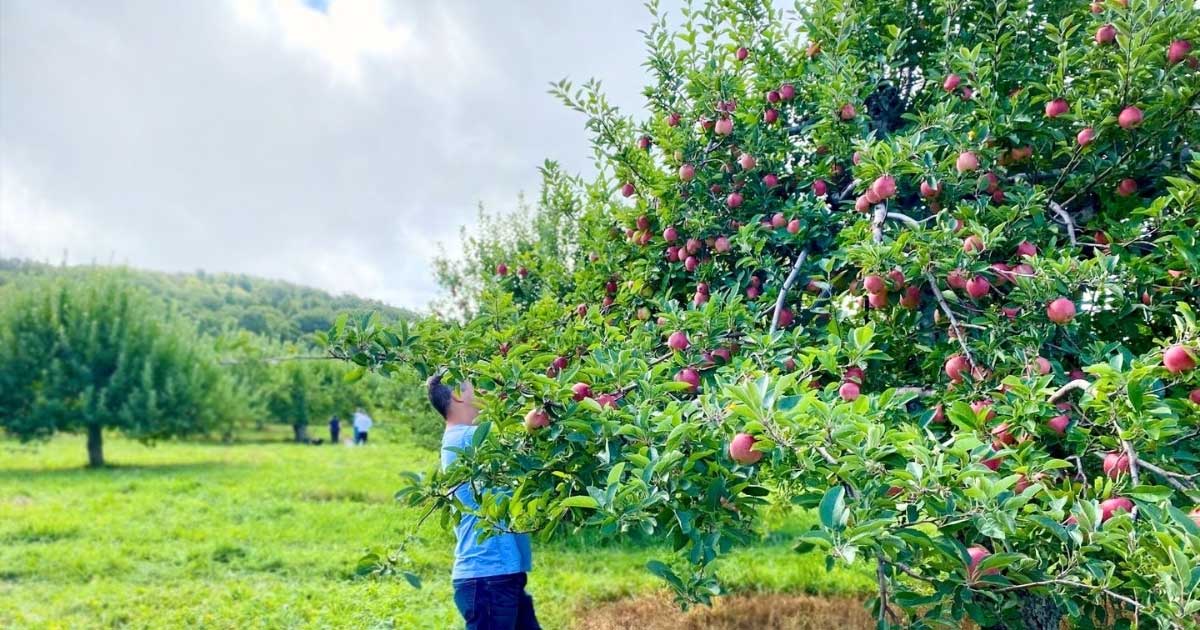
Fall brings the most diverse selection of the year. Apples from Hudson Valley farms arrive in September. Winter squash, root vegetables, Brussels sprouts, and kale run through October into November. Persimmons — both Fuyu and Hachiya — are a fall specialty available from October through February.
Mushroom varieties expand significantly as temperatures drop — chanterelles, hen-of-the-woods, and porcini become available from foragers and specialty growers. Cranberry and Romano beans finish their seasons in early fall.
November is the highest-demand month of the year for most restaurant kitchens. Root vegetables, squash, and specialty items see volume spikes in the first two weeks of November. Place standing orders and confirm holiday delivery schedules with your representative before the end of October.
Winter — December Through February
Winter is citrus season. Blood oranges arrive in January and run through February. Pomelos, grapefruits, and specialty citrus varieties are available from domestic and imported sources throughout the season.
Local storage crops — apples, potatoes, root vegetables — remain available from Northeast farms through winter. Greenhouse-grown specialty produce expands in winter: microgreens, edible flowers, and hydroponic lettuces are available year-round from specialty growers and are particularly useful for winter menus where field produce variety is limited.
When sourcing in winter, ask your representative about the origin of each item. Many products that appear local or domestic are imported or greenhouse-grown in winter — which is not a quality issue, but it matters for menu copy and guest communication.
Frequently Asked Questions
How do I know if produce is actually local or just marketed as local? +
Ask your distributor directly. A reliable wholesale produce distributor should be able to tell you the farm origin of any item on your order. At Riviera Produce, we can identify the specific farm or growing region for items in our network. If an item is described as local but no farm can be named, that is worth questioning.
Does seasonal produce always cost less? +
Not necessarily. Seasonal planning can improve quality and may create stronger purchasing opportunities during peak availability, when local supply is high. But pricing is ultimately driven by supply and demand at the time of your order, which can vary week to week based on weather, growing conditions, and market activity. Ask your representative about current pricing rather than assuming seasonal always means lower cost.
How far in advance should I plan my seasonal menu changes? +
Four to eight weeks is a practical planning horizon for most seasonal transitions. This gives your distributor enough lead time to forecast standing orders, and gives your kitchen enough time to test preparations before menu changeover. For limited-window items like ramps or fiddleheads, earlier is better.
Can I get a standing order for seasonal specialty items? +
Yes. Riviera Produce can set up standing orders for seasonal specialty items so you receive consistent supply as long as the item is in season. Talk to your account representative about volume forecasting for items with short windows.
Where can I see what is currently in season? +
Our in-season produce page is updated regularly to reflect current market availability. To discuss current availability and seasonal sourcing, contact our team directly.
Sourcing Seasonal Produce Through Riviera Produce
Riviera Produce works directly with over 75 farm partners across the Northeast — including Hepworth Farms (certified organic, Milton NY), Satur Farms (specialty greens, Cutchogue NY), Pavero Apple Farms (SQF certified, Highland NY), and Lancaster Farm Fresh (organic cooperative, Pennsylvania). Our weekly specials reflect what is at peak availability from our farm network each week.
To discuss seasonal sourcing or open a wholesale account, contact our team directly. Existing customers can view current pricing and availability through the online ordering portal.