
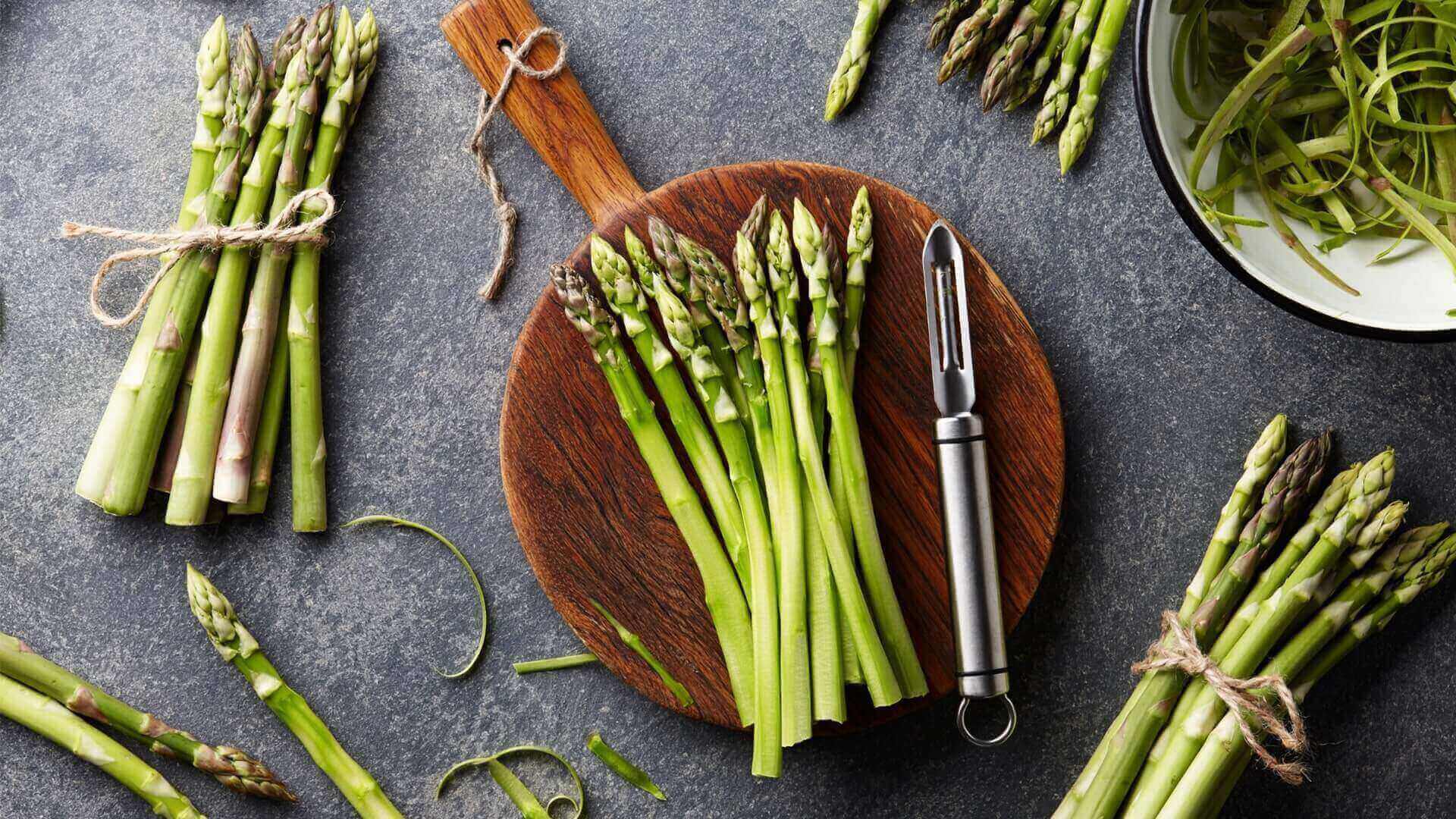
Best Way to Cook Asparagus: A Chef’s Guide for NY, NJ and Philly
Running a busy kitchen in New York, New Jersey, or Philadelphia means you don’t just need a recipe, you need the best way to cook asparagus that fits your menu, equipment, and ticket times. This article contains useful facts, for chefs, operators, and buyers who want farm fresh produce, simple prep, and consistent, absolutely delicious results.
Why Asparagus Belongs on Modern Menus
Asparagus is still rightly known as the “queen of vegetables,” and when you treat it right, it instantly elevates any plate. Guests see asparagus as a premium, restaurant-style side that feels lighter than fries or mashed potatoes but is still satisfying and full of flavor, while you get a vegetable that’s fast, versatile, and easy to prep in bulk.
Because asparagus plays well with steak, seafood, poultry, pasta, and egg dishes, you can reuse the same prep across multiple stations. A dialed-in method for the best way to cook asparagus turns a simple stalk into a reliable profit driver for brunch, lunch, dinner, and events.
Nutrition Snapshot for Health-Conscious Guests
Today’s guests read menus with health and wellness in mind, and asparagus checks a lot of boxes. It’s naturally fat-free, cholesterol-free, low in sodium, and a good source of fiber that supports digestive health, plus folate, vitamin C, potassium, and antioxidants.
You don’t have to lecture about vitamins, but you can highlight asparagus as a fresh, vibrant green that adds color, texture, and nutrition to the plate without heavy sauces. For guests who want something “green but not boring,” a crisp tender asparagus side dish is an easy win that supports a slightly higher menu price.
Asparagus Seasonality in the Northeast
Seasonality still matters, especially when you promote local produce and farm fresh produce on your menu. In the northern U.S., asparagus season typically runs from April into June and sometimes early July, and during this window spears are sweeter, more tender, and more consistent.
For NYC, NJ, and Philly restaurants, this is the time to feature asparagus on specials boards, chef’s tasting menus, and seasonal LTOs. Off-season, you can keep asparagus on the menu, but lean on your food distributor for guidance on quality and cost so your pricing and guest experience stay in line.
How to Choose Asparagus for Foodservice
The best way to cook asparagus starts long before it hits the oven; it starts at receiving. When a case arrives from your restaurant supply Brooklyn partner, food distributors Long Island, or a regional supplier in New Jersey or Philadelphia, inspect it right away and push back on wilted product.
Look for spears that are firm rather than limp, with tightly closed tips, vivid color, and moist—not dried-out—stem ends. Green asparagus is the most common in foodservice, purple tends to be slightly sweeter and turns green when cooked, and white asparagus is usually peeled and used in more classical preparations.
Any size can be tender and sweet as long as it’s fresh, but in a professional kitchen, medium to thick asparagus spears usually handle high heat better. Thin spears cook quickly and work well for sautéed or stir-fried dishes where you want them to stay crisp but not stringy.
Storing Fresh Asparagus in the Walk-In
Because asparagus can go limp quickly, storage is key to protecting yield and quality. One of the best ways to store fresh asparagus is to trim a bit off the woody ends, keep the bunch bound with rubber bands, and stand it upright in a container with about half an inch of water; loosely cover the tops with a plastic bag and refrigerate.
If you prep for the line, store trimmed spears in an airtight container lined with a slightly damp towel. Keep them in a single layer or very loose layers so they don’t crush each other and lose that vibrant green look, and plan to cook asparagus within a couple of days for the best texture and flavor.
Prepping Asparagus for Speed and Consistency
Good cooking always starts with clean, consistent prep. Rinse asparagus stalks under cool running water to remove dirt or field debris, use a dedicated cutting board for vegetables, and trim away any damaged areas on the stalks before they hit the line.
Most of the time you don’t have to peel asparagus, but very thick stalks benefit from a light pass with a vegetable peeler on the lower third so they cook more evenly. Trim about one to two inches off the ends, or use the classic snap test: hold a spear near the base with one hand and mid-stalk with the other, bend gently, and let it break where tender stalk meets tough woody end. Once washed and trimmed, your asparagus is ready to roast, grill, sauté, steam, boil, or even go in the air fryer.
Standardizing this prep across the team keeps cooking times predictable and reduces waste from over-trimming. That means less guesswork on the line and more consistent plates for guests.
The Best Way to Cook Asparagus: High-Heat Roasting
There are many ways to cook asparagus, but for most professional kitchens, the best way to cook asparagus is high-heat roasting in the oven. It delivers deep, concentrated flavor, keeps the spears crisp tender, and fits easily into existing hot-line workflows.
To roast, preheat the oven to 425°F, a reliable high heat for vegetables, and slide a rimmed baking sheet into the oven while it heats so the metal gets hot. Meanwhile, lightly toss trimmed asparagus spears with olive oil in a hotel pan, then season with kosher salt and ground black pepper; a touch of minced garlic or red pepper flakes adds so much flavor without extra labor.
Carefully remove the hot pan from the oven and spread the asparagus in a single layer; overcrowding causes steaming instead of roasting. Roast for about ten to fifteen minutes, depending on thickness, until the spears turn vibrant green, the tips are lightly blistered, and the stalks bend but don’t flop—your perfect baked asparagus texture.
Right off the heat, finish with a drizzle of fresh lemon juice, a little lemon zest, and a sprinkle of parmesan cheese or sea salt. Serve this roasted asparagus recipe hot as a plated side dish or slightly cooled on sharing boards and family-style platters; it’s easy to train, easy to scale, and easy for guests to love.
Other Reliable Ways to Cook Asparagus
Roasting may be the backbone of your program, but variety keeps menus interesting. For grilled asparagus, brush whole spears with olive oil, season with salt pepper, and cook over medium-high heat for two to three minutes, turning often until they’re charred in spots and tender inside.
If you prefer sautéed asparagus, heat butter or olive oil in a skillet with garlic, then add asparagus cut on a bias into one to two inch pieces and cook for three to four minutes until slightly wilted and crisp tender. Steamed asparagus works well when you want a very clean, simple side: lay spears in a steaming rack over simmering water, cover, and cook until just tender, then season and serve or chill for later service.
For smaller kitchens or test environments, an air fryer can mimic roasting; toss spears with olive oil salt, lay them in a single layer, and cook until crisp tender with lightly crispy tips. Choose the way to cook that best supports your concept, equipment, and ticket times.
Flavor Upgrades: Oils, Sauces and Garnishes
Once you have your core cooking method, flavor is where you make asparagus your own. A simple combination of olive oil, salt and pepper, lemon juice, and parmesan can turn basic roast asparagus into an absolutely delicious, crowd-pleasing side dish.
For richer plates, finish with melted butter, minced garlic, and a drizzle of balsamic vinegar to add depth and sweetness. Brunch menus are a natural home for asparagus; think grilled or roasted spears topped with hollandaise sauce alongside poached eggs and smoked salmon.
Modern bistros and chef-driven concepts can garnish with microgreens for color, height, and a subtle fresh note, or finish with sea salt, red pepper flakes, or a little lemon zest for extra texture and aroma. These simple touches help asparagus carry more perceived value without adding much complexity to the line.
Sourcing Asparagus from Local and Regional Distributors
Even the best asparagus recipe falls flat if your product quality is inconsistent, so partnering with the right food distributor is key. In practice, that often means working with a restaurant supply Brooklyn specialist, a food distributor in Long Island, or a regional wholesaler serving New Jersey and Philadelphia that understands seasonal produce.
Ask your supplier about peak asparagus season, local farm options, and sizing that fits your preferred cooking method. Shorter travel time often means sweeter spears, fewer tough woody ends, and less waste in prep, and you can bundle lemons, butter, and microgreens on the same order so you always have what you need to season asparagus and build a complete meal.
When you talk about farm fresh produce and seasonal produce on your website or social channels, you can confidently highlight asparagus as part of that story. That combination of careful sourcing and a reliable way to cook asparagus builds trust with guests who care about where their food comes from.
Turn Asparagus into a Signature Side Dish
At the end of the day, the best way to cook asparagus is the method your team can execute perfectly, service after service. High-heat roasting with olive oil, salt pepper, lemon, and parmesan gives you a crisp tender, vibrant green side dish that works in fine dining, casual concepts, and everything in between.
Training and menu planning can help your team remember asparagus as a go-to green side, not an afterthought, and make it easier to plug into specials and chef’s menus. When everyone knows how to prep, roast, season, and serve asparagus, you remove guesswork on the line and create a consistent guest experience.
Partner with a trusted produce supplier in the NY, NJ, and Philly markets, add fresh asparagus and microgreens to your next delivery, and introduce a signature roasted asparagus side dish that showcases high-heat roasting, vibrant color, and so much flavor—turning a simple seasonal vegetable into a standout part of every meal.