
Pizza Industry Trends 2026: What Smart NYC & NJ Operators Need to Know About Margins and Growth
- What Are the Top Pizza Industry Trends in 2026?
- Independent Pizzerias Are Facing Major Cost Pressures
- The Real Questions Operators Are Asking in 2026
- The State of the Pizza Industry in 2026
- Industry Revenue and Growth Outlook
- Key Industry Benchmarks in 2026
- What Defines a Profitable Pizzeria in 2026?
- How Profitable Are Pizza Shops in 2026?
- Major Cost Pressures Impacting Profitability
- Regional Pizza Styles Still Drive Volume
- Trending Pizza Toppings and Specialty Builds in 2026
- Third-Party Delivery, Online Ordering, and Margin Pressure
- Consumer Behavior: Fewer Meals, Higher Expectations
- Profit Margins and Menu Engineering in 2026
- What This Means for Independent Pizzerias in NYC & NJ
- Frequently Asked Questions About Pizza Industry Trends in 2026
- Protect Your Margins with Smarter Produce Sourcing
The pizza craze isn’t slowing down.
But in 2026, pizza trends are no longer about viral slices or novelty toppings. Instead, successful pizzeria operators are focusing on pizza industry trends that directly impact food cost control, customer retention, and sustainable profit margins. They’re prioritizing operational discipline, food quality, smart menu engineering, and margin protection in a shifting restaurant landscape.
What Are the Top Pizza Industry Trends in 2026?
The most important pizza industry trends in 2026 include margin-focused menu engineering, disciplined topping innovation, direct online ordering growth, tighter food cost control, and stronger customer retention systems. Operators are prioritizing profitability and operational control over viral hype.
Independent Pizzerias Are Facing Major Cost Pressures
- Rising labor costs
- Volatile ingredient pricing
- Higher cheese costs
- Third-party delivery commission pressure
- Online ordering dominance
- Consumers eating fewer meals but expecting higher quality
According to industry surveys, the average hourly wage in pizza restaurants increased by nearly 3.9% year over year. Labor now accounts for 25–35% of total operating costs for independent pizzerias. Third-party delivery platforms typically charge between 15% and 30% per order, significantly compressing margins when overused.
For independent pizzerias and restaurant owners in NYC and NJ, the real question is not simply what’s trending.
The Real Questions Operators Are Asking in 2026
- What sells consistently?
- What protects profit margins?
- What drives repeat business?
- What strengthens customer retention?
Here’s what pizza industry trends in 2026 actually mean for operators.
The State of the Pizza Industry in 2026
The pizza industry remains one of the most resilient segments within the restaurant sector, according to recent industry data and outlook reports. It performs across dine-in, takeout, and delivery channels and continues to generate consistent sales compared to many casual-dining spots.
Pizza’s strength lies in its adaptability. Whether through in-store dining, direct online ordering, or third-party delivery platforms, the category maintains relevance across changing consumer behaviors.
Compared to casual dining spots increasingly facing traffic declines, pizza kitchens maintain stronger off-premise adaptability.
Industry Revenue and Growth Outlook
The U.S. pizza industry generates approximately $49–50 billion in annual revenue, making it one of the largest segments within foodservice. Independent pizzerias represent a substantial share of total establishments nationwide and continue to compete effectively in local markets.
Independent operators account for the majority of U.S. pizza establishments, reinforcing the importance of cost control at the single-unit level.
While overall industry revenue growth has moderated compared to post-pandemic surges, pizza remains more resilient than many casual dining segments due to its strength in takeout, delivery, and digital ordering channels.
Revenue stability, however, does not automatically translate into strong profitability.
Key Industry Benchmarks in 2026
According to recent industry reporting from trade publications and restaurant association data, the following benchmarks define the 2026 pizza landscape:
- U.S. pizza industry revenue: ~$49–50 billion
- Average independent pizzeria revenue: ~$500K–$800K annually (varies by market)
- Typical net profit margin: 7–15%
- Labor cost range: 25–35% of revenue
- Third-party commission range: 15–30%
These figures illustrate a category that remains large and resilient — but structurally margin-sensitive.
What Defines a Profitable Pizzeria in 2026?
A profitable independent pizzeria in 2026 typically demonstrates:
- Net margins above 12%
- Controlled labor under 30% of revenue
- Reduced third-party delivery dependency
- Structured menu engineering based on contribution margin
- Strong repeat customer rates through loyalty integration
Operators who combine disciplined cost control with consistent execution and data-driven decision-making outperform competitors focused solely on top-line growth.
How Profitable Are Pizza Shops in 2026?
Most independent pizza shops operate on average net profit margins between 7% and 15%, depending on food cost control, labor management, and channel mix. While strong operators can exceed that range, profitability compresses quickly when labor inefficiencies and third-party commissions increase.Third-party delivery platforms typically charge between 15% and 30% per order, significantly reducing contribution margins when overused. Labor often represents 25–35% of total operating costs, further tightening profitability for independent operators.
Major Cost Pressures Impacting Profitability
Operators are navigating:
- Rising labor costs
- Increased ingredient volatility
- Higher cheese pricing
- Pressure from third-party delivery apps
- Greater competition from mid-sized chains and fast food restaurants
The restaurant landscape now rewards efficiency, consistency, and disciplined systems.
The pizzerias that win in 2026 treat their kitchens like controlled production environments. Dough management, prep standardization, portion control, and food quality monitoring are not optional — they are competitive advantages.
Regional Pizza Styles Still Drive Volume

Major pizza brands such as Blaze Pizza and other fast casual chains continue experimenting with regional builds, limited-time offers, and specialty toppings. However, independent pizzerias often outperform large pizza brands in perceived food quality and local loyalty, thanks to consistency and community-focused positioning.
In the tri-state market, New York style pizza continues to dominate due to thin slices, foldability, and consistency. Customers expect reliability. That expectation drives repeat business.
Emerging Pizza Styles Gaining Attention in 2026
- Chicago thin and tavern cuts
- Detroit style using Wisconsin brick cheese
- Midwest pizza reinterpretations
- Traditionally coal fired pizza
- Thin slices designed for modern lunch habits
Detroit-style pizza has consistently ranked among the fastest-growing regional pizza styles in recent industry reports, while Roman-style and New Haven-style pizzas continue gaining social media traction among younger diners.
Dough science is becoming more intentional. Hydration levels, fermentation timing, and bake consistency directly impact perceived food quality. Operators who invest in dough process consistency outperform those chasing constant new builds.
Consumers do not necessarily want more pizza styles.
They want better food executed consistently.
Trending Pizza Toppings and Specialty Builds in 2026
Hot pizza toppings in 2026 reflect layered flavor rather than overload. The shift is toward balance, texture, and perceived quality.
Trending pizza toppings include:
- Spicy Spanish sausage
- Chorizo pizza variations
- Fall apart beef brisket
- Slow cooked meat applications
- Roasted butternut squash
- Italian peppers
- Wisconsin brick cheese
- Soft cheeses paired with savory and sweet combinations
- Fig jam pizza builds
- Favorite sausage pizza reinterpretations
Industry publications like Pizza Today continue to document evolving topping preferences.
Sweet and salty continues to perform strongly.
Hot honey pairings remain popular because they enhance salty meats and elevate perceived value without dramatically increasing food cost. Savory and sweet combinations are not just trendy — they are margin-friendly enhancements.
Ingredient selection also plays a major role in perceived food quality and consistency. Even small decisions — such as choosing the right tomato variety for sauce — impact flavor balance, cost control, and overall build performance.
Post-bake garnishes such as herb oils, fresh basil, grated hard cheeses, and finishing sauces increase presentation value while maintaining portion control.
In 2026, toppings are strategic. Not excessive.
Third-Party Delivery, Online Ordering, and Margin Pressure
Online ordering is a dominant behavior. Ordering pizza digitally is now standard among young office workers, families, and health-conscious diners seeking convenience.
However, third-party delivery services significantly compress margins.
Smart pizzeria operators are responding by:
- Encouraging direct online ordering
- Building loyalty programs
- Creating value meals for pickup
- Reducing dependency on third-party delivery apps
- Using restaurant software tools to monitor data
- Investing in pizzeria marketing that drives repeat business
Third-party convenience expands reach.
Direct ordering protects margins.
The operators who balance both channels strategically outperform those who rely entirely on delivery apps.
Direct Ordering vs. Third-Party Dependency
While over 80% of pizzeria operators report generating sales from online ordering, profitability improves significantly when orders are placed directly through owned platforms rather than third-party apps.
Operators who invest in:
- Branded mobile ordering
- Loyalty program integration
- Automated phone ordering systems
- POS-integrated customer data tracking
maintain stronger margins and better long-term customer retention.
Technology is no longer optional in 2026 — it is a defensive strategy.
Technology Investment Trends in 2026
In 2026, technology investment is no longer just about convenience — it is about operational control and margin protection. Independent pizzerias are increasing investment in systems that improve efficiency, reduce labor strain, and strengthen customer retention.
Operators are prioritizing:
- Advanced POS systems with real-time cost tracking
- Inventory management software tied to purchasing data
- Automated labor scheduling tools
- AI-driven demand forecasting
- CRM-based loyalty platforms
- Fully integrated direct-ordering mobile apps
Industry surveys indicate that more than 70% of pizzeria operators invested in new technology systems within the past 12 months. Digital ordering now accounts for approximately 25–30% of total sales volume for many independent operators, with continued growth projected for 2026.
The shift is clear. Technology is moving from front-end marketing to back-end operational discipline. High-performing operators use data to monitor contribution margins by menu item, identify repeat-purchasing patterns, and adjust pricing strategies more quickly.
In 2026, data visibility equals profit visibility.
Consumer Behavior: Fewer Meals, Higher Expectations
Consumers are eating fewer meals outside the home. Lunch habits are shifting as young office workers skip lunch more frequently and opt for smaller, faster ordering pizza occasions. Discretionary spending remains under pressure, making diners more selective about when and where they order. Seasonal menu adjustments also influence profitability, particularly when operators align produce selection with colder-weather demand shifts.
When customers order pizza in 2026, expectations are significantly higher.
There is a clear shift toward premiumization. Rather than ordering frequently, diners are choosing fewer but higher-quality meals. Customers are increasingly willing to pay more when they perceive better ingredients, stronger execution, and intentional menu design.
Protein-forward builds continue to perform strongly. Meaty pizzas featuring brisket, sausage, chorizo, or specialty cured meats align with broader protein-focused dietary preferences. These builds often command higher price points while reinforcing perceived value.
Health-conscious diners are also influencing menu strategy. Gluten-free crusts, low-carb alternatives, and cleaner ingredient sourcing are no longer niche requests — they are expected options in competitive markets. Independent operators who communicate sourcing transparency and food quality gain trust and repeat business.
Trust-based brand loyalty is becoming more important than discount-based promotions. Consumers are increasingly choosing restaurants they believe in rather than simply chasing price. Consistency, reliability, and quality execution drive repeat business more effectively than aggressive discounting.
They want:
- Better food quality
- Cleaner ingredient sourcing
- Balanced toppings
- Meaty pizzas executed properly
- Creamy cheese and soft cheeses layered intentionally
- Post-bake garnishes that elevate presentation
This is why sweet condiment dominance continues. Hot honey, herb oils, Calabrian chili oils, and finishing elements enhance food quality perception and support stronger pricing without dramatically increasing food cost.
In 2026, pizza is not just cheap eats.
It is strategic comfort food — positioned at the intersection of value, quality, and operational precision.
Profit Margins and Menu Engineering in 2026
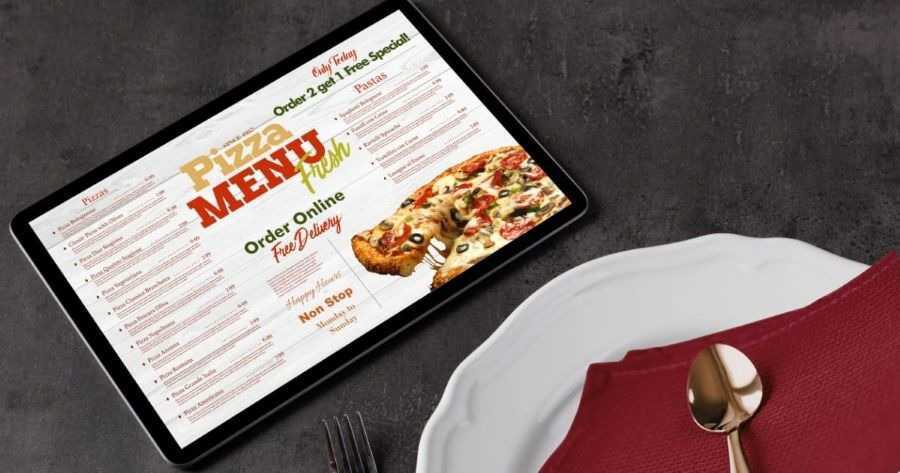
Profit margins in 2026 are not accidental. They are engineered.
In a restaurant landscape defined by rising labor costs, volatile ingredient pricing, and third party delivery pressure, smart pizzeria operators are tightening systems instead of expanding menus.
High-performing pizzeria operators are focused on:
- Simplifying menus to reduce prep complexity and waste
- Standardizing production systems across shifts
- Monitoring food quality at every stage of service
- Protecting best-selling pizza toppings and core builds
- Controlling portion sizes with consistency
- Designing specialty builds that drive repeat business
Customer retention now matters more than one-time traffic spikes.
Loyalty programs outperform discount-heavy promotions because they create predictable repeat ordering patterns. Structured menu engineering — built around food cost percentages, contribution margins, and sales data — strengthens long-term profitability. Operators looking to go deeper into margin protection strategies can review our guide on restaurant profit strategies for 2026.
Operators who understand their food cost percentages and design menus accordingly maintain stronger profit margins, even when ingredient volatility increases.
The objective in 2026 is not viral exposure.
It is sustainable growth powered by operational discipline, consistent execution, and repeat business.
For pizzerias in NYC and NJ reviewing ingredient costs in 2026, supplier pricing and seasonal produce strategy play a critical role in protecting margins.
Riviera Produce works directly with independent operators to provide consistent quality, transparent pricing, and seasonal sourcing strategies that support stronger menu engineering decisions.
What This Means for Independent Pizzerias in NYC & NJ
The restaurant industry in 2026 rewards operators who:
- Protect margins
- Maintain operational discipline
- Focus on proven pizza trends
- Invest in dough science and consistency
- Balance online ordering with direct channels
- Strengthen customer retention strategies
Pizza remains resilient.
But profit margins now depend on execution, not hype.
The smartest independent pizzerias are not asking what’s viral.
They’re asking what drives repeat business in a competitive restaurant landscape.
And they’re engineering menus accordingly, building systems, enforcing discipline, and protecting margins at every level of execution.
Frequently Asked Questions About Pizza Industry Trends in 2026
Most independent pizza shops generate between $500,000 and $1 million annually depending on location, size, and service model. Profitability depends more on cost control and operational discipline than top-line sales alone.
Rising labor costs, ingredient volatility, and third-party delivery commissions remain the most significant pressures on independent pizza operators.
Consistent food quality, disciplined menu engineering, strong loyalty programs, and reliable execution drive repeat business and long-term customer retention.
Third-party delivery services reduce pizza industry margins by charging commission fees that often range from 15% to 30% per order. Because most independent pizzerias operate on tight net profit margins, these fees significantly compress profitability unless operators increase pricing or shift customers toward direct online ordering.
Independent operators account for more than 80% of pizza establishments nationwide. While overall industry revenue fluctuates, many single-unit pizzerias report stable or rising gross sales when they focus on margin discipline and operational efficiency rather than aggressive expansion.
Protect Your Margins with Smarter Produce Sourcing
In 2026, profitability depends on execution — and execution starts with ingredients.
For independent pizzerias in NYC and NJ, volatility in produce pricing, shifts in seasonal availability, and supplier consistency directly affect food cost percentages and menu engineering decisions.
Riviera Produce partners with operators to provide transparent pricing, dependable quality, and seasonal sourcing guidance that supports margin discipline year-round.
Request current pricing or speak with our team to evaluate how your ingredient sourcing strategy can strengthen profitability this season.